

Historical events on April 1

APRIL 1, 1970
The American Motors Corporation introduced its Gremlin, promoted as America's first subcompact car.
American Motors Corporation was an American automobile manufacturing company formed by the merger of Nash-Kelvinator Corporation and Hudson Motor Car Company on
Read More
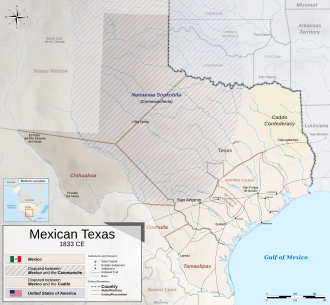
APRIL 1, 1833
Mexican Texans met at San Felipe de Austin to begin the Convention of 1833.
Mexican Texas is the historiographical name used to refer to the era of Texan history between 1821 and 1836, when it was
Read More
APRIL 1, 1918
The United Kingdom established the Royal Air Force, near the end of the First World War.
The Royal Air Force (RAF) is the air and space force of the United Kingdom, British Overseas Territories and Crown Dependencies. It
Read More
APRIL 1, 1952
Israel enacted a citizenship law, prior to which the country technically had no citizens.
Israel has two primary pieces of legislation governing the requirements for citizenship, the 1950 Law of Return and 1952 Citizenship Law.
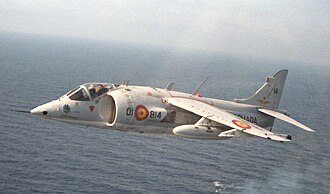
APRIL 1, 1969
The Hawker Siddeley Harrier, the first operational fighter aircraft with V/STOL capabilities, entered service with the Royal Air Force.
The Hawker Siddeley Harrier is a British jet-powered attack aircraft designed and produced by the British aerospace company Hawker Siddeley. It was
Read More
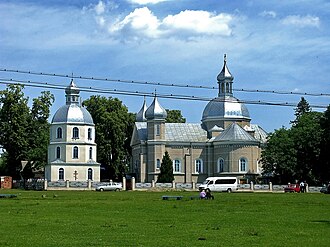
APRIL 1, 1941
Soviet border guards opened fire on civilians attempting to cross the border from the Soviet Union to Romania near Fântâna Albă, killing between 44 and 3,000 people.
The Fântâna Albă massacre took place on 1 April 1941 in Northern Bukovina when up to 3,000 civilians were killed by Soviet
Read More

APRIL 1, 1922
Under the South Seas Mandate, Japan set up a government in Koror, precipitating large-scale Japanese settlement in Palau.
The South Seas Mandate, officially the Mandate for the German Possessions in the Pacific Ocean Lying North of the Equator, was a
Read More
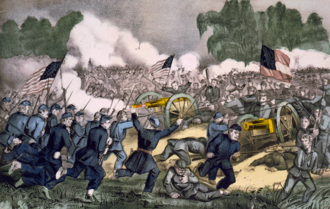
APRIL 1, 1865
American Civil War: The Union Army under Major General Philip Sheridan (pictured) inflicted more than 2,900 casualties on the Confederates at the Battle of Five Forks.
The American Civil War was a civil war in the United States between the Union and the Confederacy, which was formed in
Read More
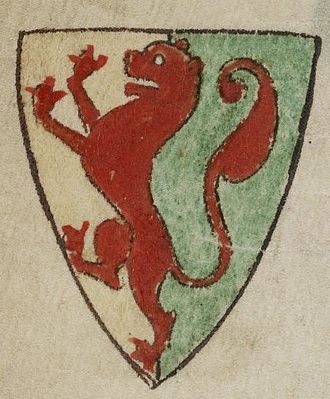
APRIL 1, 1234
Richard Marshal, Earl of Pembroke, was defeated by knights loyal to King Henry III of England at the Battle of the Curragh in County Kildare, Ireland.
Richard Marshal, 3rd Earl of Pembroke, was the son of William Marshal, 1st Earl of Pembroke and brother of William Marshal, 2nd
Read More
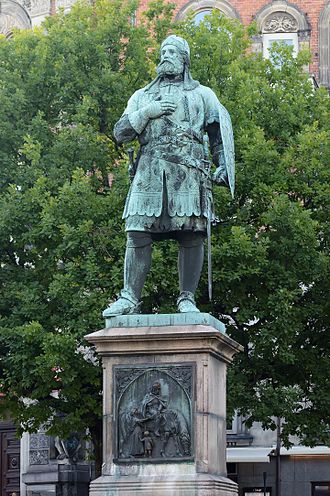
APRIL 1, 1340
A band of warriors led by Niels Ebbesen killed Count Gerhard III, ending Holstein rule in Denmark.
Niels Ebbesen was a Danish squire and national hero, known for assassinating Gerhard III, Count of Holstein-Rendsburg in 1340. From 1332 to
Read More
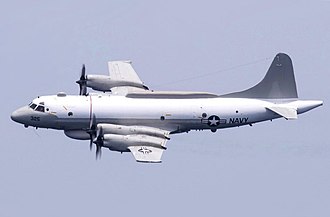
APRIL 1, 2001
An American Lockheed EP-3 and a Chinese Shenyang J-8 collided in mid-air off Hainan, resulting in an international dispute between the two countries.
The Lockheed EP-3 is an electronic signals reconnaissance variant of the P-3 Orion, primarily operated by the United States Navy.
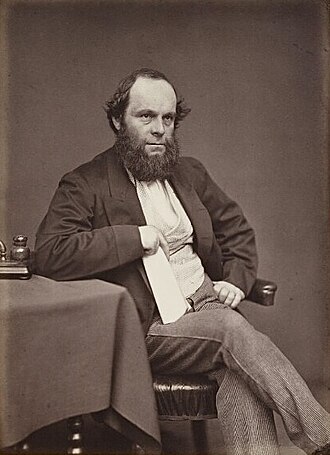
APRIL 1, 1871
The Duke of Buckingham (pictured) opened the first section of the Brill Tramway, a short railway line to transport goods between his lands and the national rail network.
Richard Plantagenet Campbell Temple-Nugent-Brydges-Chandos-Grenville, 3rd Duke of Buckingham and Chandos,, styled Earl Temple until 1839 and Marquess of Chandos from 1839 to
Read More
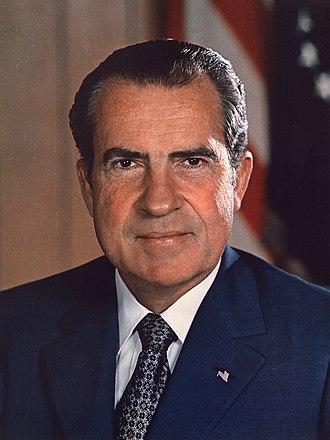
APRIL 1, 1970
U.S. president Richard Nixon signed the Public Health Cigarette Smoking Act into law, requiring that a prominent warning by the surgeon general be placed on cigarette packages.
Richard Milhous Nixon was the 37th president of the United States, serving from 1969 until his resignation in 1974. A member of
Read More
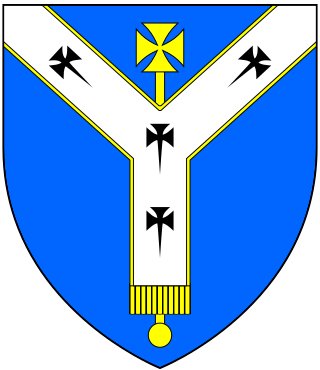
APRIL 1, 1293
Robert Winchelsey left England for Rome to be consecrated Archbishop of Canterbury, but a papal vacancy delayed the ceremony.
Robert Winchelsey was an English Catholic theologian and Archbishop of Canterbury. He studied at the universities of Paris and Oxford, and later
Read More
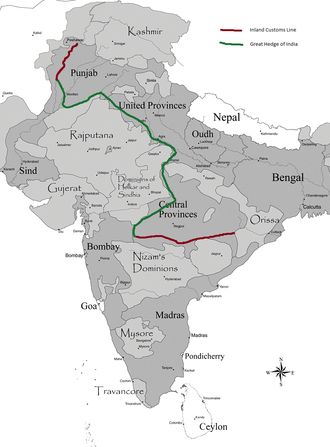
APRIL 1, 1879
The Inland Customs Line, established by the British for the collection of the salt tax in India, was abandoned.
The Inland Customs Line, incorporating the Great Hedge of India, was a customs barrier built by the British colonial rulers of India
Read More
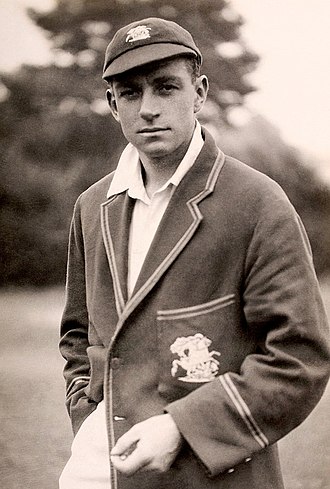
APRIL 1, 1933
English cricketer Wally Hammond set a record for the highest individual score in Test cricket of 336 not out during a match against New Zealand.
Walter Reginald Hammond was an English first-class cricketer who played for Gloucestershire in a career that lasted from 1920 to 1951. Beginning
Read More